When you first ask a nanny or maid to cook, the biggest hurdle is the cultural and language gap. Thai cooking leans on sugar, fish sauce and chilli, so dishes made the Thai way aren't always right for expat children (though it varies from home to home). The good news: set clear food rules from the start and you'll head off almost every problem.
First and most important: share allergy information
Food allergies can be life-threatening. Put the following in writing — in Thai as well — and hand it to your nanny:
- The foods she's allergic to (in English, Thai, and with photos)
- How severe it is (a rash only? a risk of anaphylaxis?)
- How to use an EpiPen, if needed (check availability and prescriptions with your hospital in Thailand)
- A clear list of ingredients that must never be used
A special note on nuts. Thai cooking uses peanuts often, and they can slip in unnoticed. Say clearly that they're off-limits.
Getting your nanny in Thailand to cook Japanese or Western food
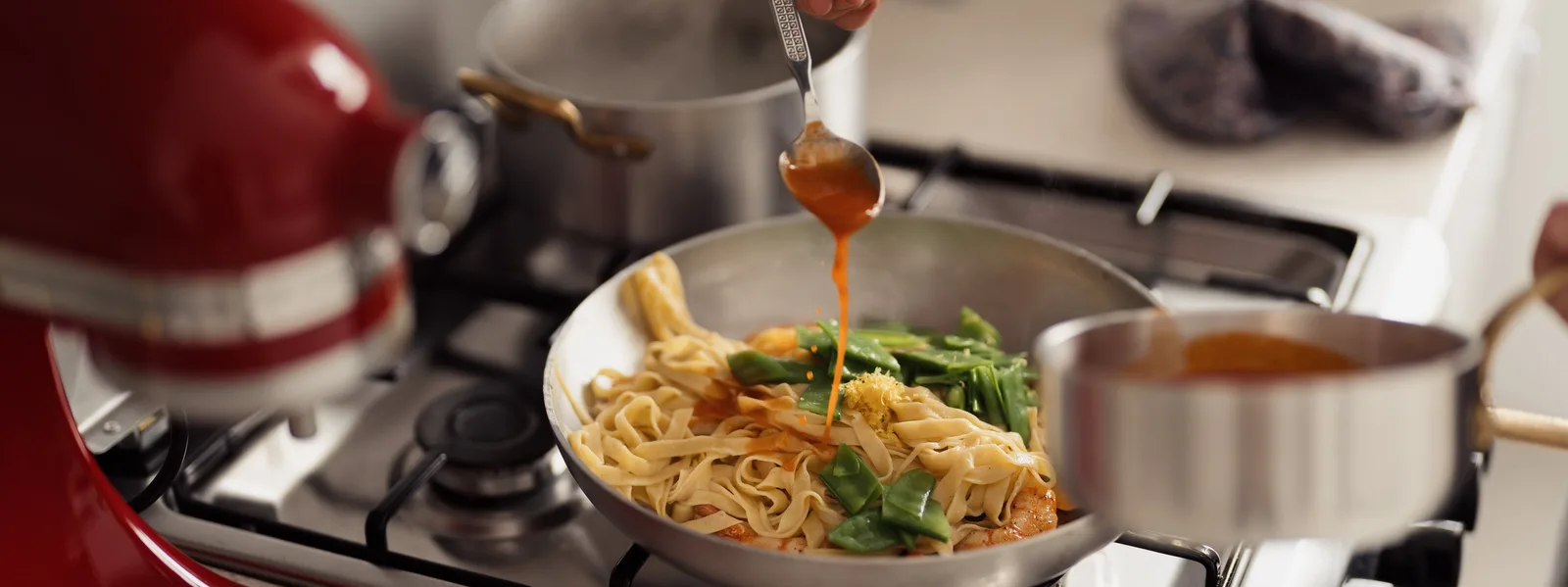
Some nannies and maids are genuinely good cooks; others aren't. Asking someone who can't really cook tends to disappoint you both, so it's worth checking cooking ability before you hire. (Keep in mind: a confident cook usually expects a higher salary to match.)
Background can shape what someone cooks well. A helper from Thailand may lean towards spicier food or reach for fish sauce; a helper from Myanmar (including those of Nepali heritage) is often a keen cook, and if she has worked for Western families before, she may handle Western dishes too.
Japanese food is genuinely advanced, so don't start there. Begin with something easier than Thai cooking — pasta and other Western dishes, or simple Chinese. (Note: domestic helpers in Thailand aren't all Thai nationals — Myanmar, Lao and other backgrounds are common — so explain things simply, with photos, and never assume shared food customs.)
Beginner-friendly requests: eggs (fried, scrambled, boiled) · stir-fried vegetables (no fish sauce or sugar) · plain rice with simple grilled fish · pasta (butter and salt only) · cut fruit
How to communicate it well:
- Give recipes with photos
- If you write a recipe in English, hand over a version in her own language too — a quick phone translation into Thai, Burmese and so on goes a long way
- Label seasonings "OK to use" and "do not use"
- Cook together for the first week or two to teach her
- Frame it as "do it this way" rather than "don't do that"
Here's something to expect: even experienced nannies each have their own way of washing, cutting and stir-frying vegetables — right down to how much oil they use. Taking the time early to teach "how we do it in our home" pays off. Once it clicks, she becomes a genuine asset — that first bit of effort saves you a lot later.
Baby and toddler food
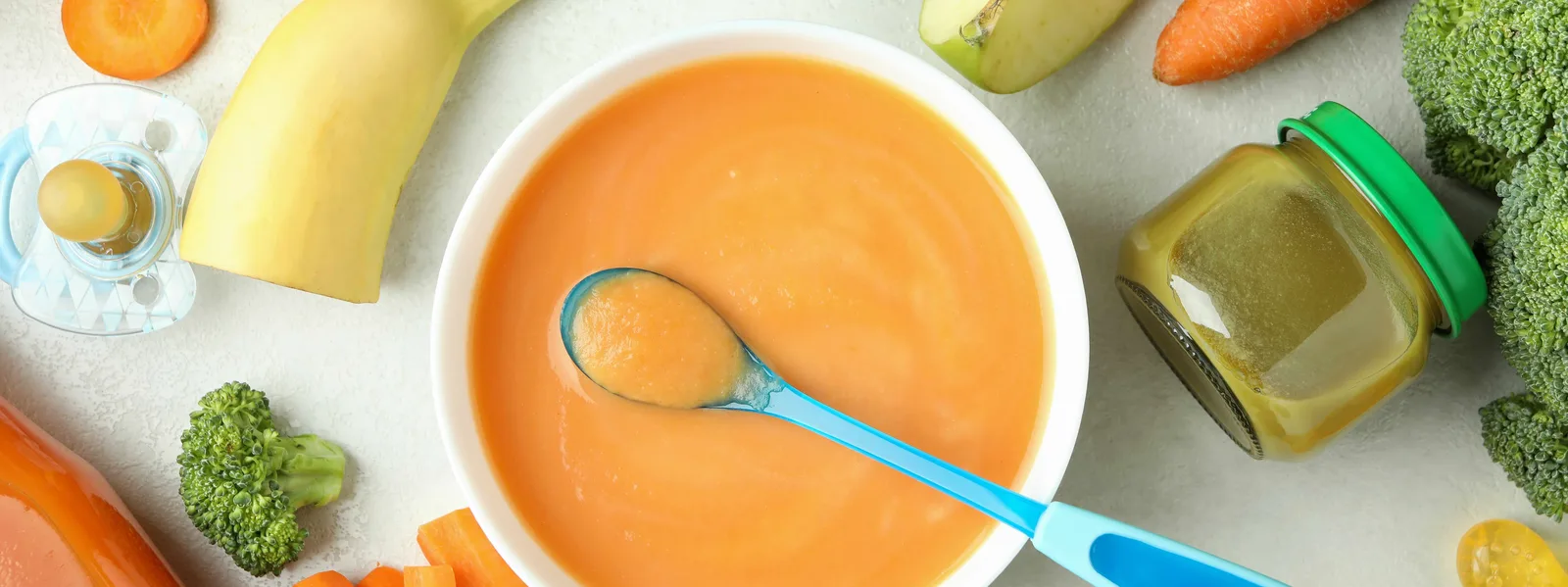
If you have a child aged 0–2, you'll need meals matched to their weaning stage.
- Give a chart of textures and allowed/forbidden ingredients by age
- Post an OK / NG ingredient sheet on the fridge
- No honey under age 1 — a safety point Thai staff often don't know
- Keep salt and sugar to a minimum (Thai food tends to be strongly flavoured)
Kitchen and fridge rules
- Separate "OK to use" and "don't touch" areas
- Give seasonings a set place and label them
- Have her check use-by dates regularly
- Agree on how to sort rubbish, including food waste
Common challenges — and how to fix them
"It ends up tasting Thai." Before she cooks, name exactly what not to use today. Moving the fish sauce, sugar and chilli to a separate drawer helps too.
"Ingredients go to waste." Plan a week's shopping list together and build a stock-check routine.
"She cooks food the kids won't eat." Hand over a list of your children's likes and dislikes.
In short
Get the setup right at the start and asking your nanny to cook becomes very smooth. Sharing allergy information, a no-go ingredient list, and a few basic recipes in writing is the starting line.
On the Hello Nanny Plus app you can also find nannies who are confident cooks or have experience with baby food — just say what you're looking for.
Frequently Asked Questions
Can a nanny in Thailand cook Japanese food?** A. Yes, with a bit of teaching. Start with simple dishes (eggs, grilled fish, plain rice), give photo recipes, and cook together for the first week or two. Most nannies pick it up.
How do I share allergy information safely?** A. Put it in writing in both English and Thai (with photos), list the exact foods to avoid, and note severity and any EpiPen use. Nuts deserve a specific warning — Thai cooking uses peanuts often.
Can I ask my nanny to make baby or toddler food?** A. Yes. Give an age-by-age chart of textures and safe ingredients, keep salt and sugar low, and remember: no honey under age 1.
Related reading: How to Hire a Nanny or Maid in Bangkok · Finding a Babysitter in Bangkok