
The short answer: most friction with Thai nannies and maids isn't about skill — it's about communication style. Understanding a few cultural touchpoints — the "sabai" mindset, face-saving, indirect "yes," and the wai greeting — prevents most misunderstandings before they start.
Why this matters more than ever
The pool of Thai nannies and maids in Bangkok is shrinking, not growing. It's worth understanding why, because it changes how you should think about keeping the person you hire.
Thailand's economy has opened up more options. Someone who speaks enough English to work comfortably with an expat family can now often find office jobs, hospitality roles, or other work that doesn't require live-in domestic service — so fewer English-capable candidates are entering the nanny/maid pool at all. Meanwhile, Thai speakers from rural areas with less English and less experience are often reluctant to move to the city for this kind of work in the first place.
Social media has shifted expectations too. Like young people everywhere, many young Thais now measure a good life partly by what they see on Instagram and TikTok — and that picture doesn't usually include working in someone else's home. And with a strong baht pushing up the cost of living, even the wages that once made this work attractive don't stretch as far as they used to.
Thai people are broadly easygoing and warm — but that doesn't mean everyone wants to spend their career working under someone else's roof, on someone else's schedule. Fewer people do, every year.
None of this means good candidates don't exist — HelloNanny still matches families every week. But it does mean that once you've found someone good, keeping her matters more than it used to. The cultural understanding in this guide isn't just about being polite — it's what actually keeps a good hire from deciding she'd rather work somewhere else.
Understanding the "sabai" mindset
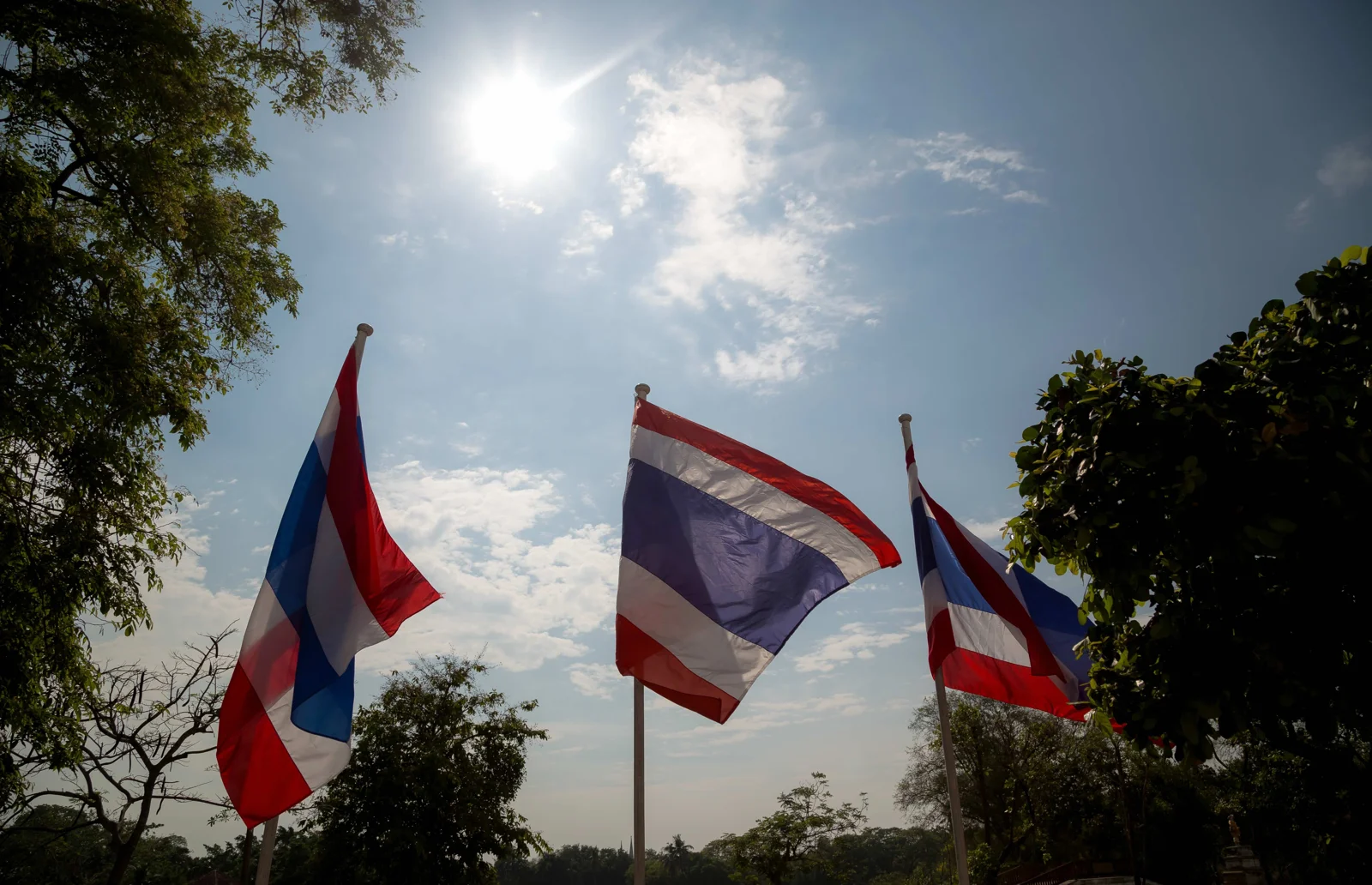
The Thai word "sabai" (สบาย) means comfortable, at ease, unhurried — and it shapes far more than leisure time. It's part of the underlying philosophy many Thai people bring to daily life, work included.
Many Thai staff stay long-term when the relationship feels "sabai." When it doesn't — because of raised voices, harsh criticism, or being corrected in front of others — some quietly pull back, and some leave without much warning.
Face-saving matters
Face-saving is a value shared across much of Southeast Asia, not unique to Thailand, but it matters here too. Feedback tends to land best delivered calmly and one-on-one, not in front of others.
"Instead of pointing out the problem in front of everyone, I quietly told her afterward what I'd like her to do differently — her attitude changed from the next day." — an expat family in Bangkok
"Yes" doesn't always mean yes
When staff say "ใช่" (chai) or "โอเค" (okay), it doesn't always mean they've fully understood or agreed. For complex instructions, or requests that feel culturally awkward, a "yes" can sometimes just mean "I don't want to say no."
A simple check: after giving an instruction, ask "how are you planning to do it?" If she can walk you through the steps, she's understood.
The wai greeting and everyday thanks

The wai (ไหว้) — palms together, a slight bow — is a basic gesture of respect in Thai culture. You don't need to initiate a wai as an employer, but receiving one with a smile, rather than ignoring it, makes a real difference.
Saying "ขอบคุณ" (khob khun) — thank you — regularly is a small habit that comes up again and again as something that genuinely lifts staff morale.
Respecting religion and holidays
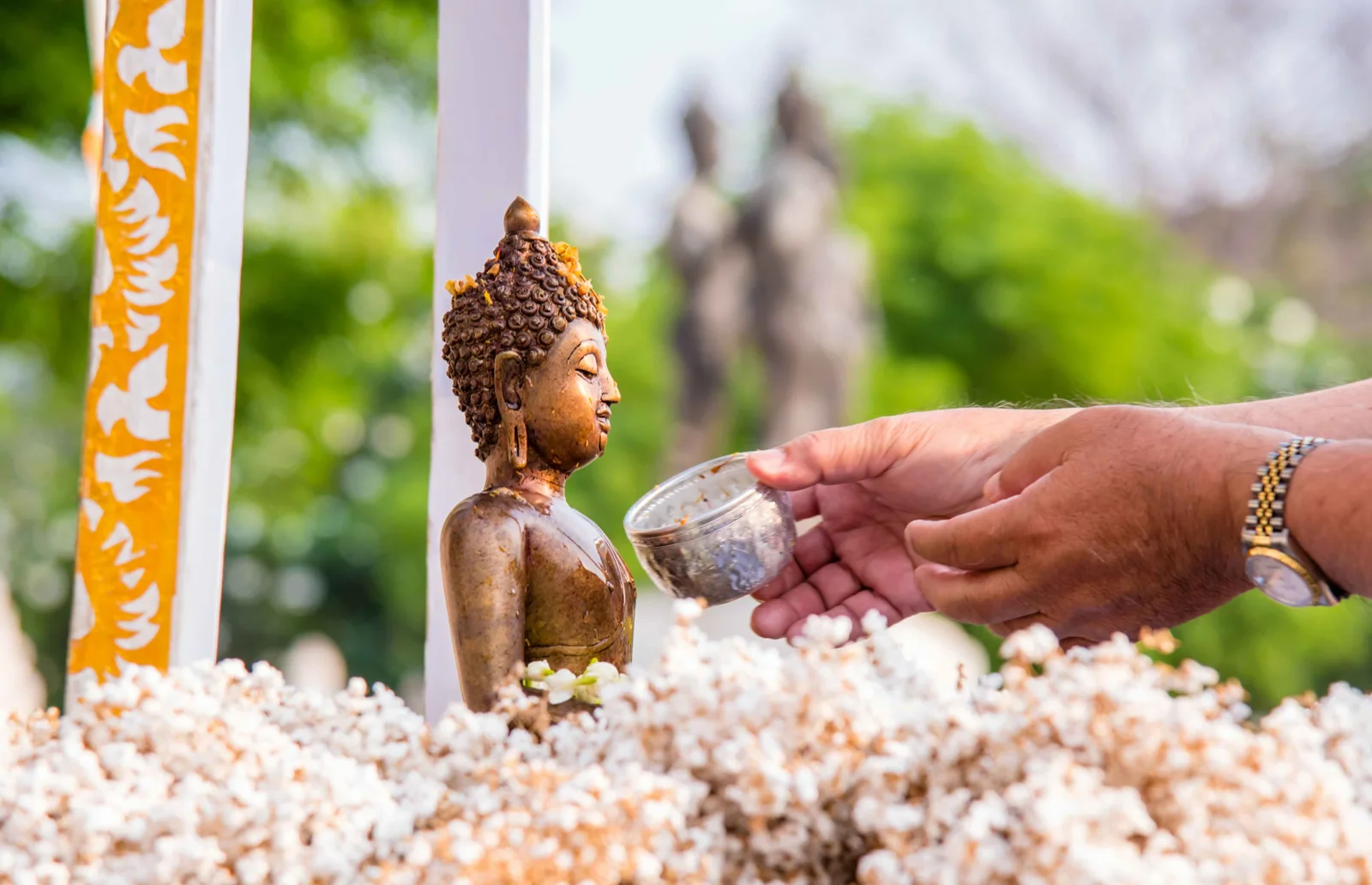
Thailand has a rich calendar of Buddhist holidays and observances — Wan Phra (a weekly Buddhist observance day), Songkran (Thai New Year), Loy Krathong, and more, alongside 13 official public holidays a year. Agreeing on how holidays are handled before your nanny or maid starts heads off a lot of friction later.
Communication tips that actually help
- Keep instructions simple and specific — avoid stacking several requests at once
- Raise problems early, calmly, and one-on-one
- Say thank you — often, and out loud
- Lead with what's going well before mentioning what to fix
- Make it easy for her to ask questions when something's unclear
In short
Working with a Thai nanny or maid isn't a one-way employment relationship — it works best as mutual respect. Understanding the cultural backdrop tends to be what makes the difference between a relationship that lasts and one that quietly falls apart.
Frequently Asked Questions
My nanny keeps saying "yes" but doesn't seem to actually understand. What should I do?** A. Ask her to walk you through how she plans to do it, rather than just asking "do you understand?" — that tends to surface any gaps in understanding without putting her on the spot.
Is it rude if I don't return a wai?** A. As an employer, you're not expected to initiate one, but a warm smile in response to hers goes a long way.
How many public holidays does a Thai employee get?** A. 13 official public holidays a year as of 2026 — see our legal basics guide for the full breakdown, plus Buddhist observance days many staff also value.
What if there's a real problem I need to raise?** A. Raise it — calmly, privately, and specifically. Avoiding a real issue to preserve harmony in the short term tends to cause bigger problems later.
Related reading: Building Trust and Longevity with Your Nanny or Maid · Helping Your Child Adjust to a New Nanny