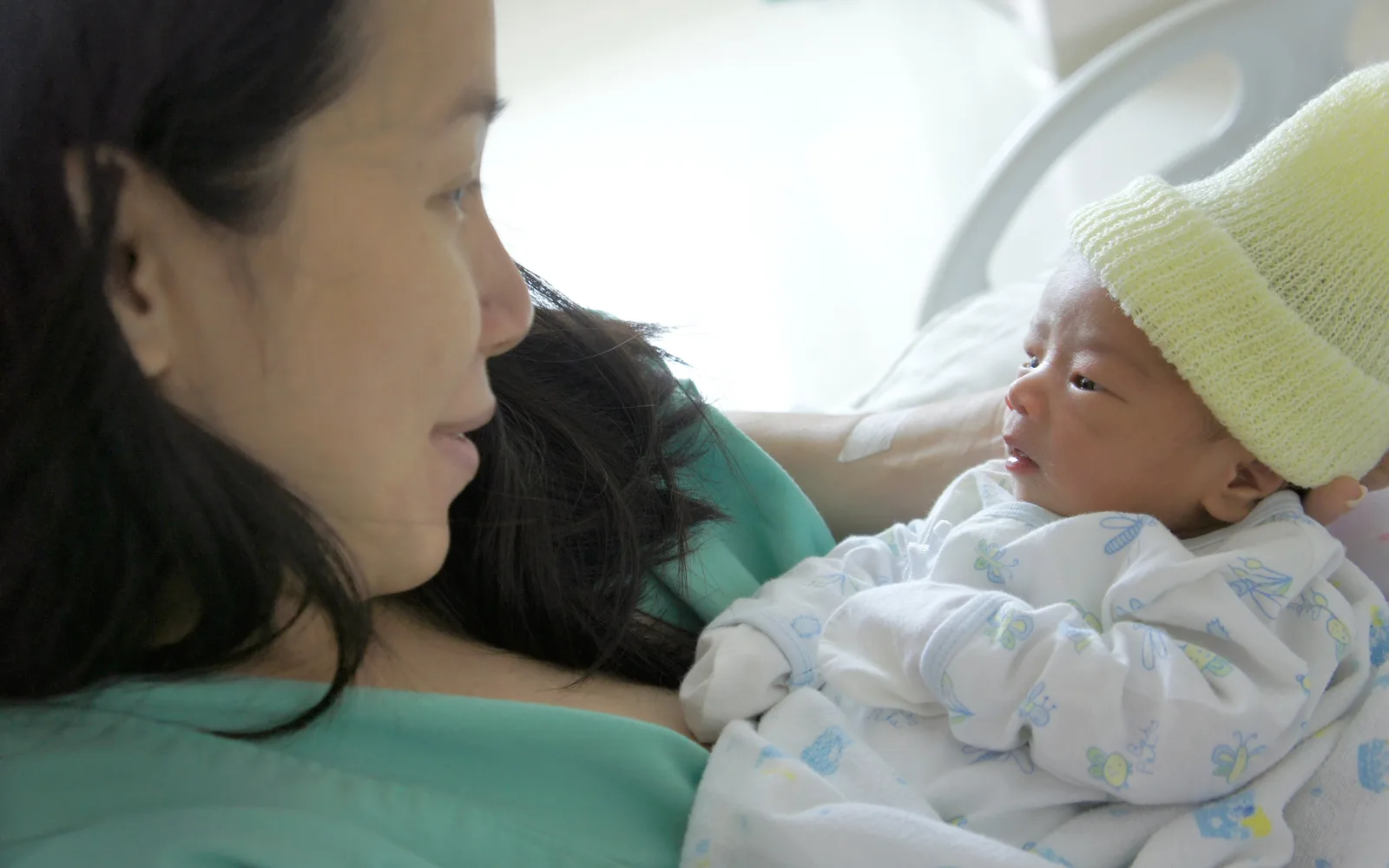
More and more expat families are having their babies in Bangkok. With excellent hospitals like Samitivej and Bumrungrad, the medical side feels reassuring. But once you're discharged, a very common worry sets in: how do you cope with no family nearby to help? That's where a postpartum nanny — a nanny experienced in newborn care — comes in.
What a postpartum (newborn) nanny does

A postpartum nanny is experienced in caring for a newborn and supporting a mother's recovery in the first weeks to months after birth. Compared with a regular nanny, she's comfortable with:
- Holding and feeding — latching support, pumping, and formula preparation
- Diapers, bathing and dressing
- Helping establish newborn sleep rhythms
- Supporting your recovery — preparing meals and gentle day-to-day care
- Overnight feeds — especially if she lives in
It's easy to assume that diaper changes and baths are simply the mother's job. But with a body still recovering from birth, supporting a floppy newborn who can't yet hold up their head — a dozen-plus times a day — is more grueling than most people expect. Add overnight duties on top, and the sleep deprivation runs deep. That's exactly where an experienced pair of hands makes a real difference.
Why expat parents in Bangkok need this support

No family nearby. Back home, many parents return to family or have relatives come to stay after the birth. In Bangkok, that support is often simply out of reach.
Limited partner leave. On an overseas posting, a partner's parental leave may be short, or work pulls them back sooner than you'd like.
Your body needs real recovery. Recovery after childbirth is no small thing — in Japan it's often likened to healing from a traffic accident, roughly three months to fully recover. Between sleep deprivation, hormonal changes and the demands of feeding, facing it all alone is genuinely hard on your body and mind.
And you're in a foreign country. For an expat family, Bangkok is unfamiliar ground. Having someone at home who can help with the Thai language — or who speaks English — is reassuring in a hundred small ways, especially in those tender early weeks.
Thailand's postpartum tradition: "Yu Fai"
Thailand has a traditional postpartum recovery practice called Yu Fai (ยู่ไฟ) — warm food, keeping the body warm, and plenty of rest, traditionally for about 30 days after birth. Fewer families follow it strictly today, but many Thai nannies naturally carry this culture and offer gentle, body-warming care.
How to choose — a quick checklist
- Hands-on newborn experience — how many newborns has she cared for?
- Feeding knowledge — comfortable with both breast and formula?
- Overnight availability — live-in or live-out?
- Handling the unexpected — fever, sudden changes
- Communication — does she give you clear daily updates?
On the Hello Nanny Plus app you can find nannies with newborn-care experience and message them directly — it's worth starting your search before the baby arrives.
How long should you hire one?
- At least 2 weeks — covers the hardest stretch right after discharge
- 1 month — until feeding settles into a rhythm
- 3 months — until your baby holds their head up and a routine forms
How long depends on your situation and how much support your partner can give.
In short
Caring for a recovering body and a newborn at the same time is genuinely hard without help. If you're planning to give birth in Bangkok, it's worth lining up newborn-care support before the baby comes — reaching out 1–2 months before your due date makes for a smoother match.
Frequently Asked Questions
How much does a newborn or postpartum nanny cost in Bangkok?** A. Newborn care is a premium skill, so expect the higher end of the range. For current figures, see our Bangkok nanny & maid salary guide.
Should a postpartum nanny live in or live out?** A. If you need overnight feeding support in the first weeks, live-in is the most reassuring. If nights are covered and you mainly need daytime help, live-out works well.
When should I start looking for a postpartum nanny?** A. About 1–2 months before your due date, so you have time to interview and find someone you trust before the baby arrives.
Do postpartum nannies help with the mother's recovery too, not just the baby?** A. Many do — preparing warm meals, keeping the home running, and giving you space to rest. Agree exactly what's included when you hire.
Related reading: How to Hire a Nanny or Maid in Bangkok · Finding a Babysitter in Bangkok